“Cruel and hostile fate, tormented fate / what sorrows from love, what dowries have I not received?” (Erofili)
Chortatsis’ verse perfectly suits the music of his contemporary, the Venetian Claudio Monteverdi (a subject of the Serenissima, as was the Cretan poet), and of other Italian composers of the early seventeenth century.
At the heart of the programme stands, naturally, the celebrated Lament of Ariadne. At the first performance of Monteverdi’s opera in 1608, audiences were reportedly moved to tears by the grandeur of music of unprecedented expressive power and violent emotional contrasts. The same bold, innovative language of the passions is found in the vocal works of Landi, Kapsberger, d’India and Caccini, as well as in those of Caccini’s two exceptionally gifted daughters.
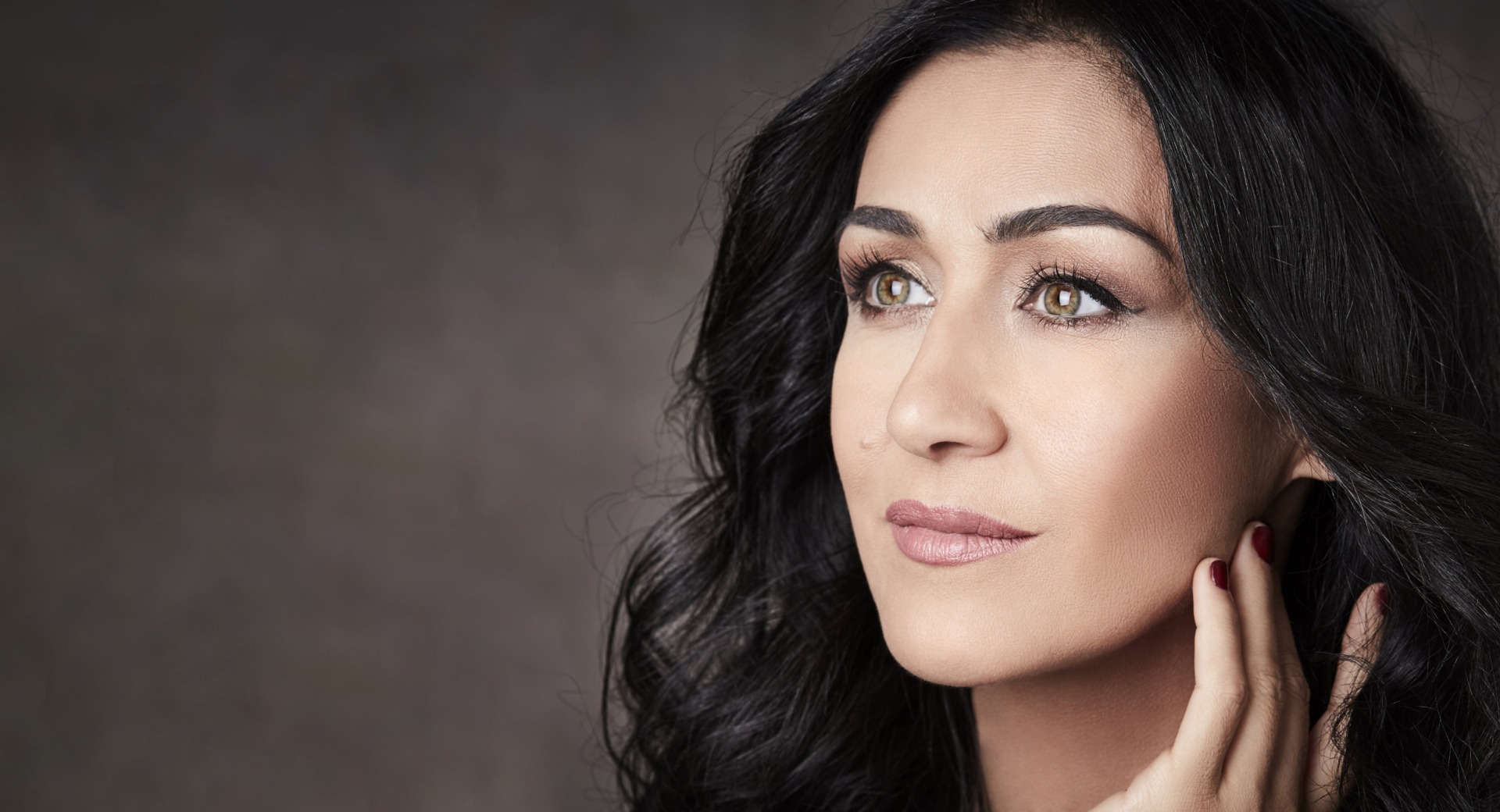
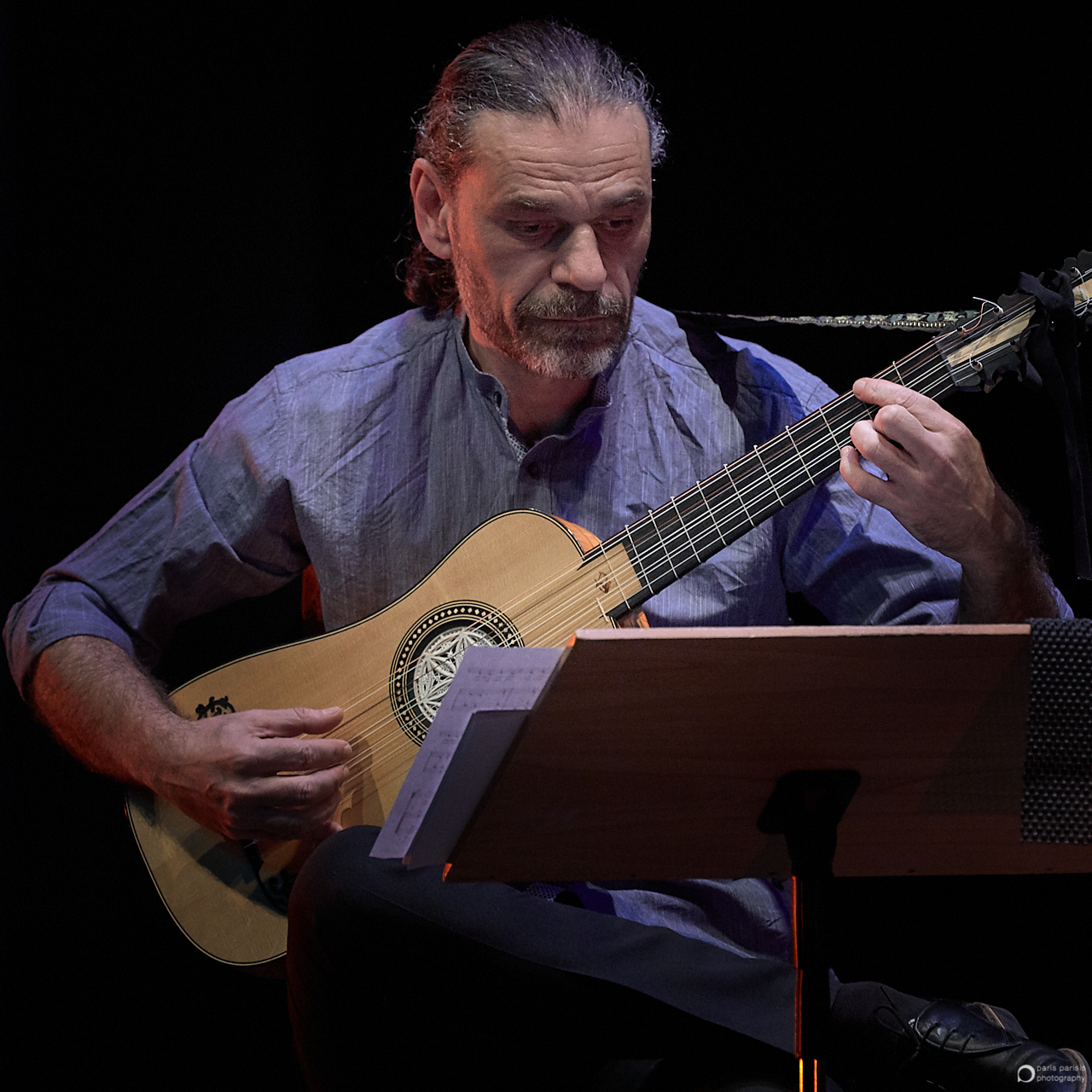
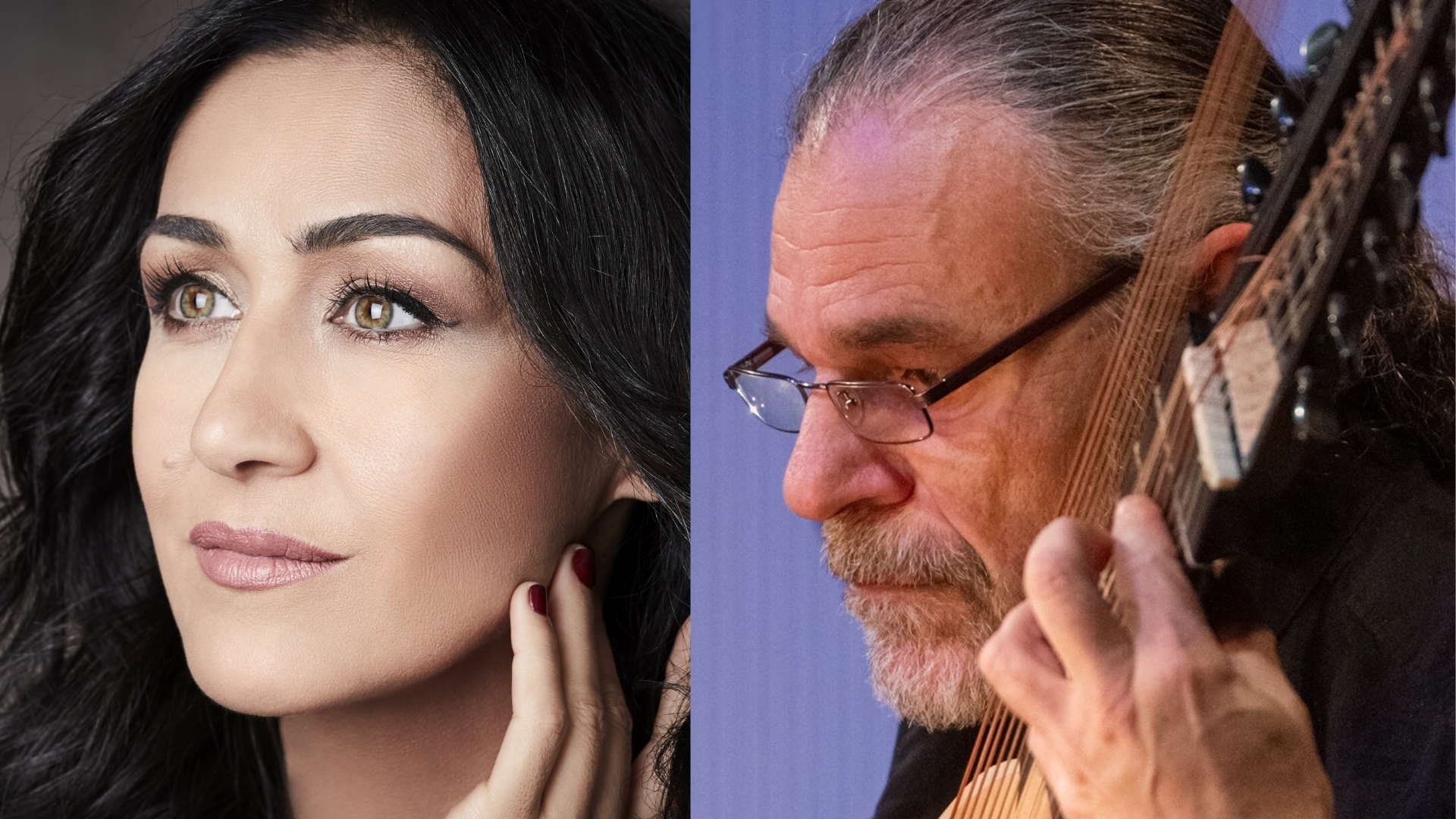
This captivating journey into the early Baroque is further enriched by solo works for lute or theorbo by the great virtuoso Alessandro Piccinini. And the musical experience is elevated by the incomparable artistry of an undisputed diva of the international stage — our own Myrtò Papatanasiu — together with the authentic sound of distinguished scholar and virtuoso Theodoros Kitsos.
With lyrics projected in Greek