Megaron the Athens Concert Hall opens its doors for the new artistic period with a programme that combines leading international presences, major Greek artists and activities aimed at all ages.
The 2026/2027 Artistic Season is marked by the 200th anniversary of the death of Ludwig van Beethoven (1827–2027), and the Megaron honours this anniversary with its own unique level of acoustics: a series of concerts with leading performers, presenting outstanding and important works in thrilling performances throughout the year. At the same time, the “Great Orchestras – Great Conductors / Great Performers” series brings internationally acclaimed orchestras, conductors and soloists to the Megaron’s stage, while the season is rounded out with special series dedicated to early music, the traditional music of Southern Italy, contemporary dance, jazz, and a major musical tribute to Dionysis Savvopoulos.
BEETHOVEN 200 SERIES
A special place in the new season’s programme is held by the celebration of the 200th anniversary of the death of Ludwig van Beethoven, through an extensive tribute that illuminates the finest moments of his creative output and highlights the timeless power of his music.
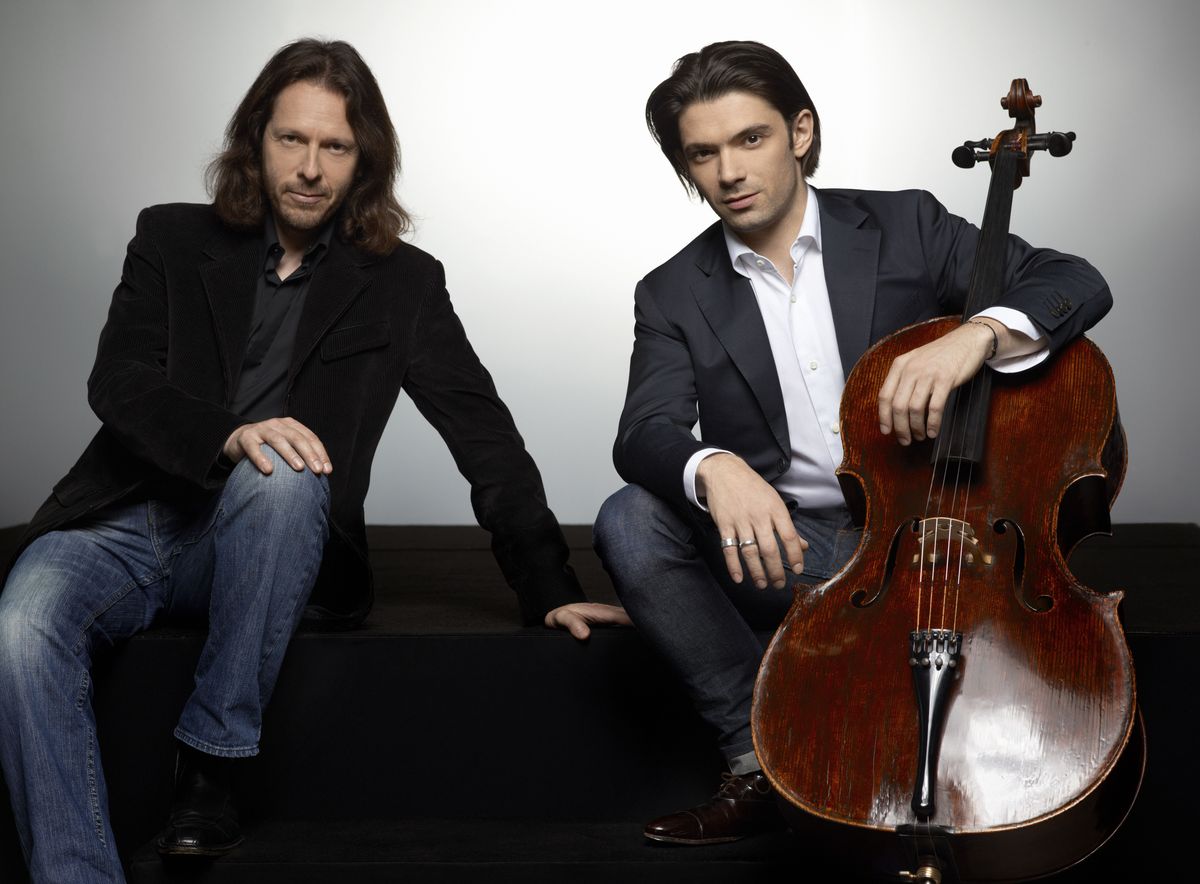
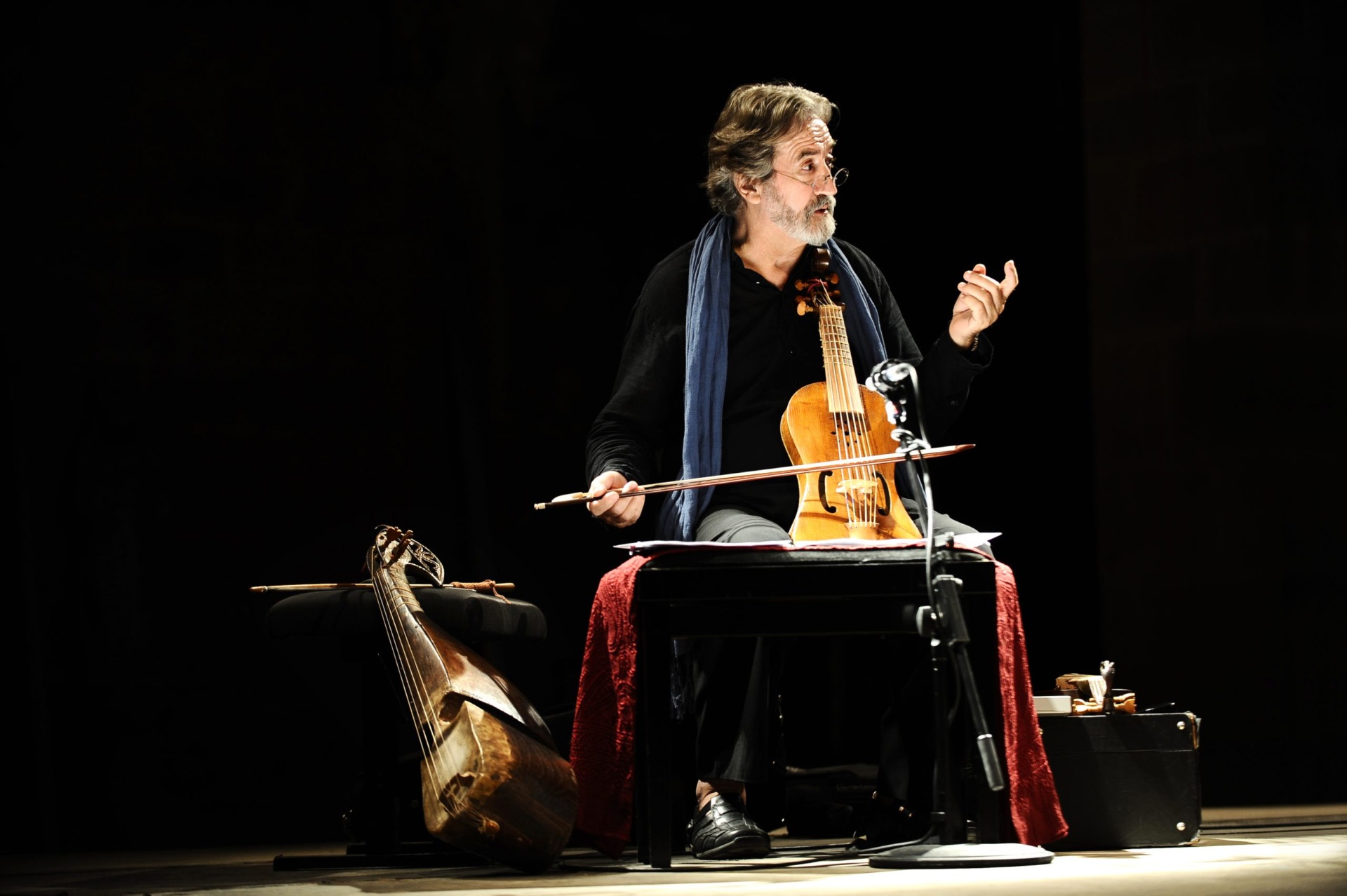
In early 2027, Jordi Savall, the Capella Nacional de Catalunya choir and the Concert des Nations orchestra present the monumental Missa Solemnis (22 January 2027). This is followed by a unique collaboration between Gautier Capuçon and Frank Braley, who will present all of the great composer’s Sonatas for cello and piano over one evening in February.
The Camerata Friends of Music Orchestra, under the musical direction of Giorgos Petrou, will revive in February 2027 the legendary marathon concert given by Ludwig van Beethoven himself on 22 December 1808 at the Theater an der Wien.
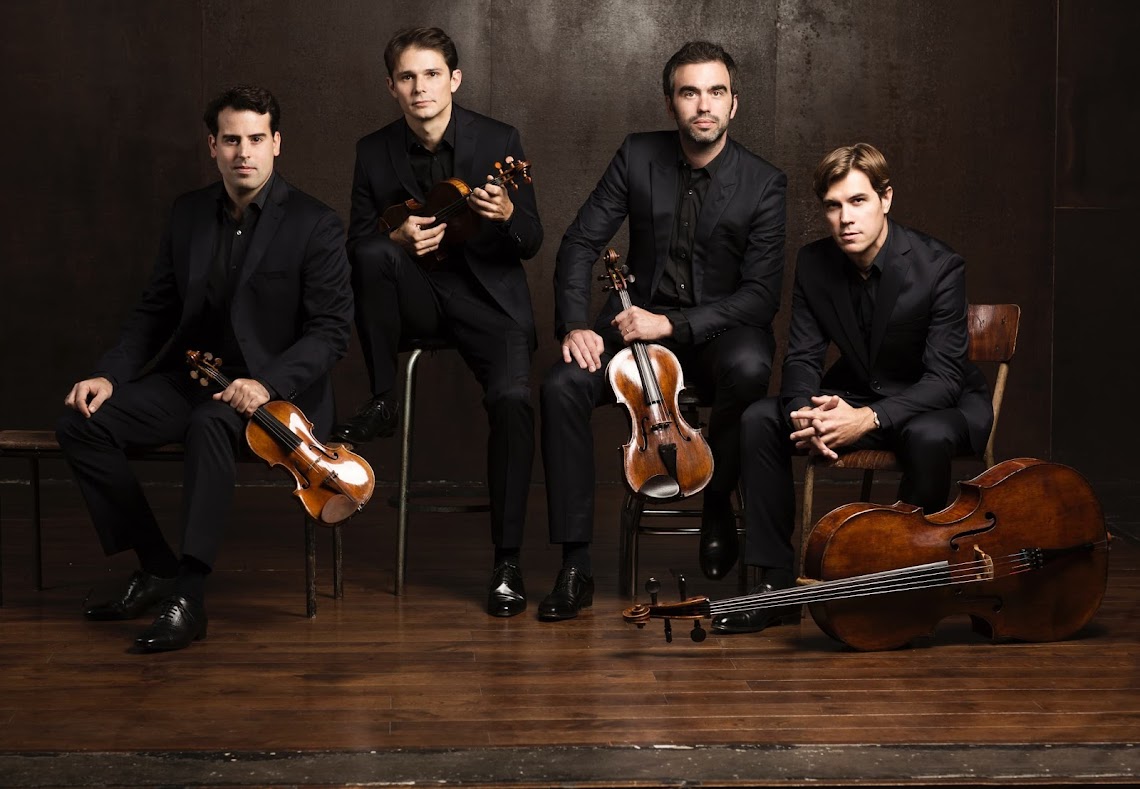
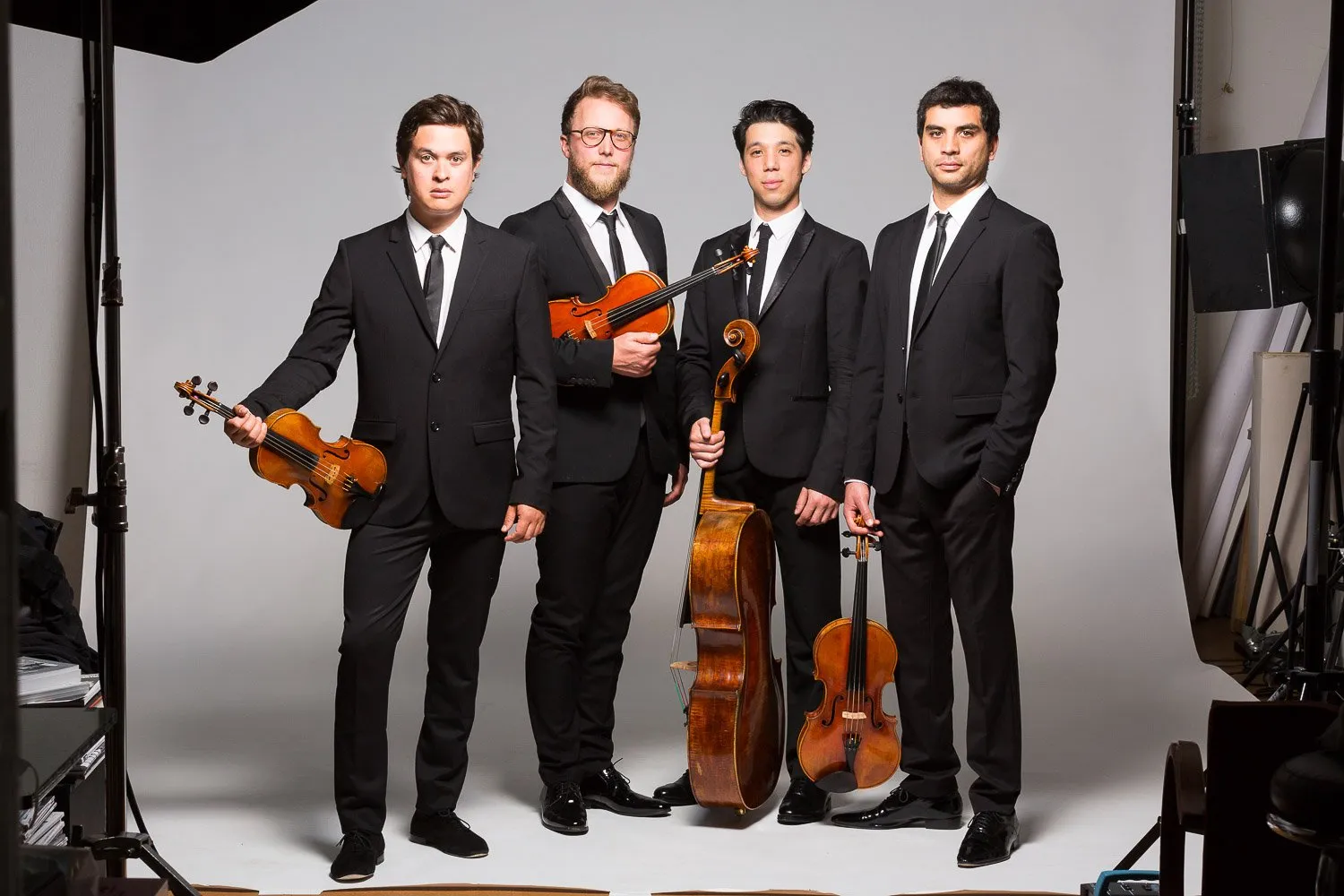
Meanwhile, a series dedicated to the late String Quartets unfolds across the whole season, featuring leading ensembles such as the Modigliani Quartet, the Van Kuijk Quartet, the Ébène Quartet, and our own Aimilios Riadis Quartet and Neo Cretan Quartet.
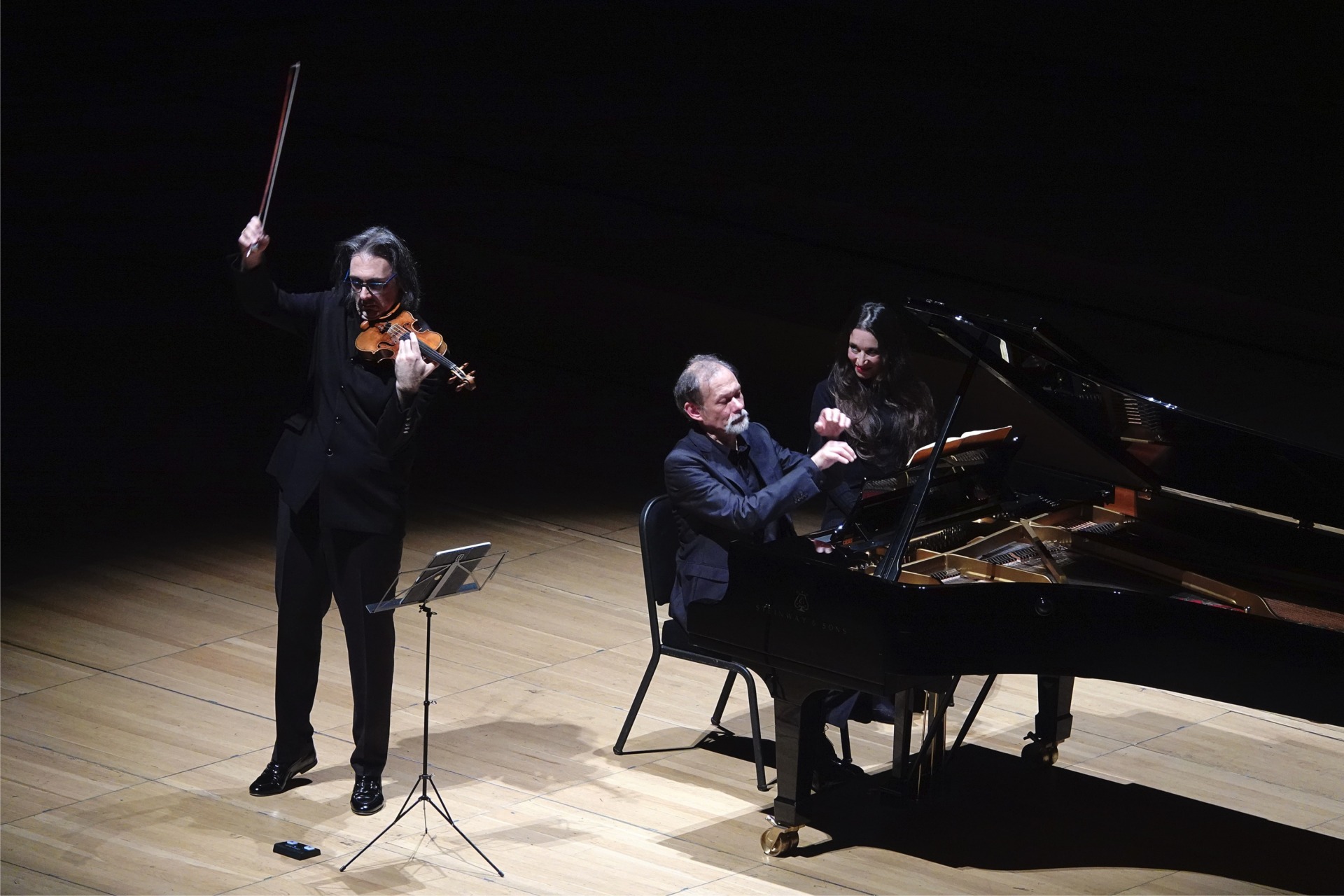
The tribute culminates on 15, 17 and 18 April 2027, as part of the Spring Festival, with Leonidas Kavakos and Enrico Pace joining forces for a three-day series dedicated to all of Beethoven’s Sonatas for violin and piano, offering audiences a rare opportunity to experience, in full, one of the most important chapters in chamber music.
GREAT ORCHESTRAS – GREAT CONDUCTORS / GREAT PERFORMERS
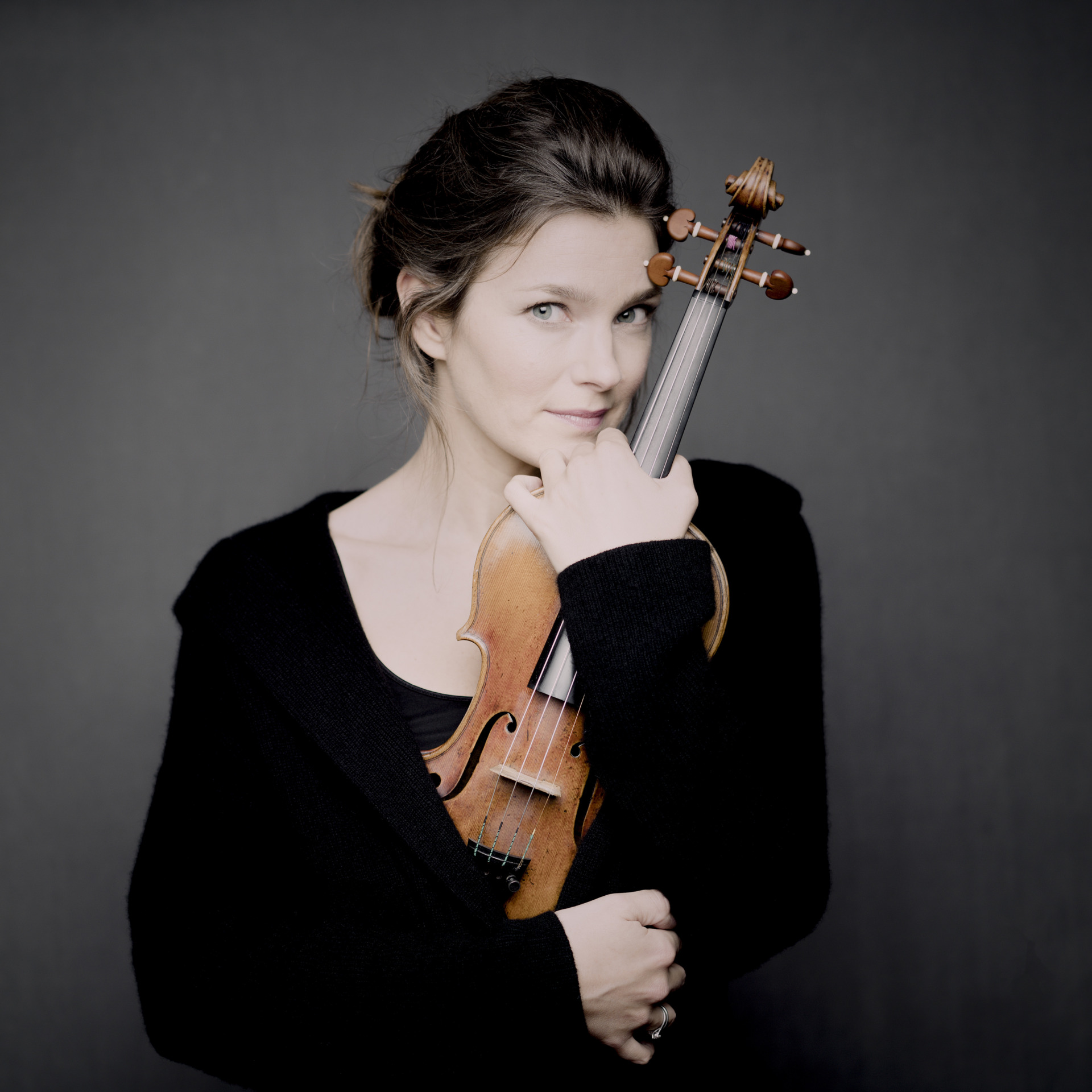
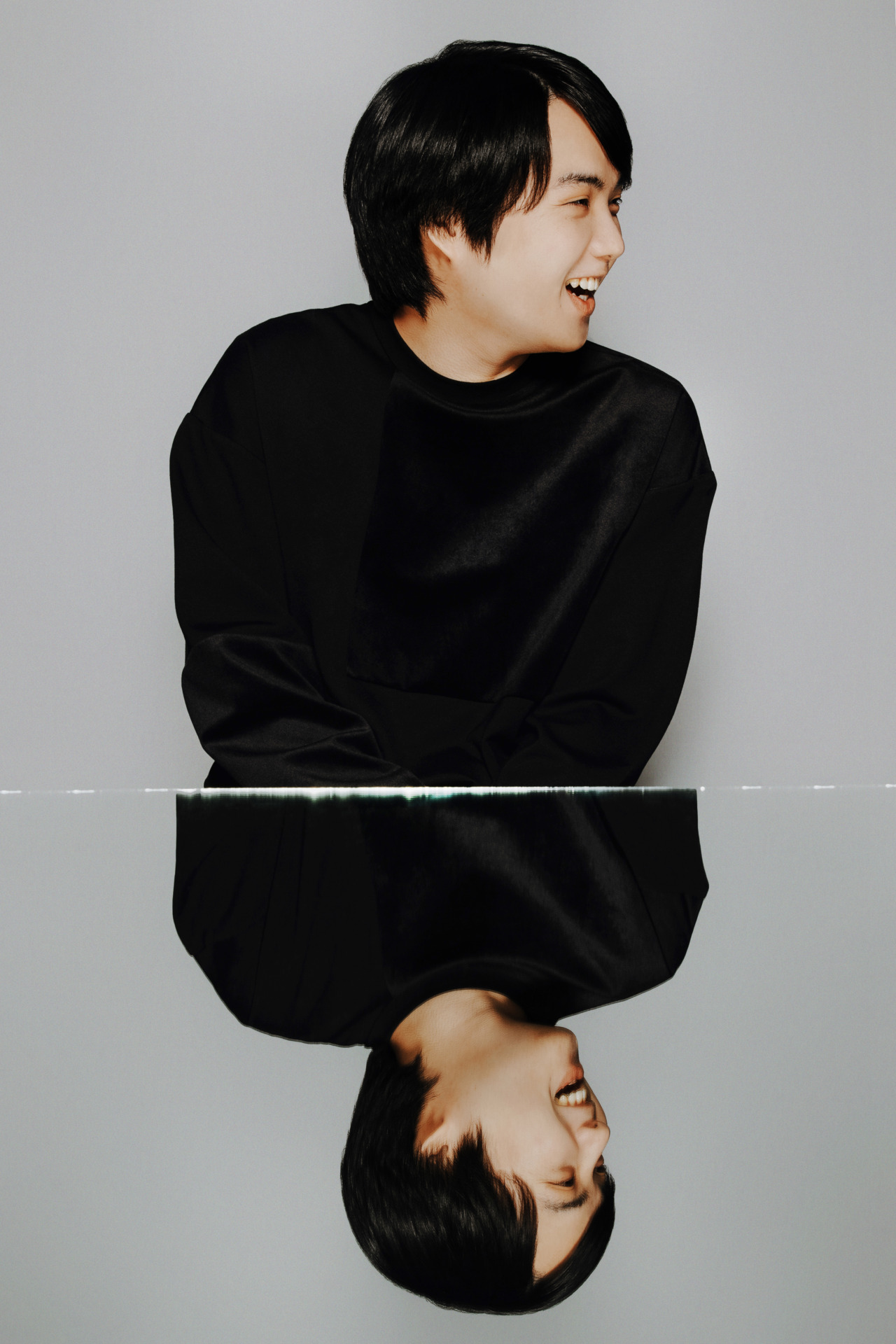
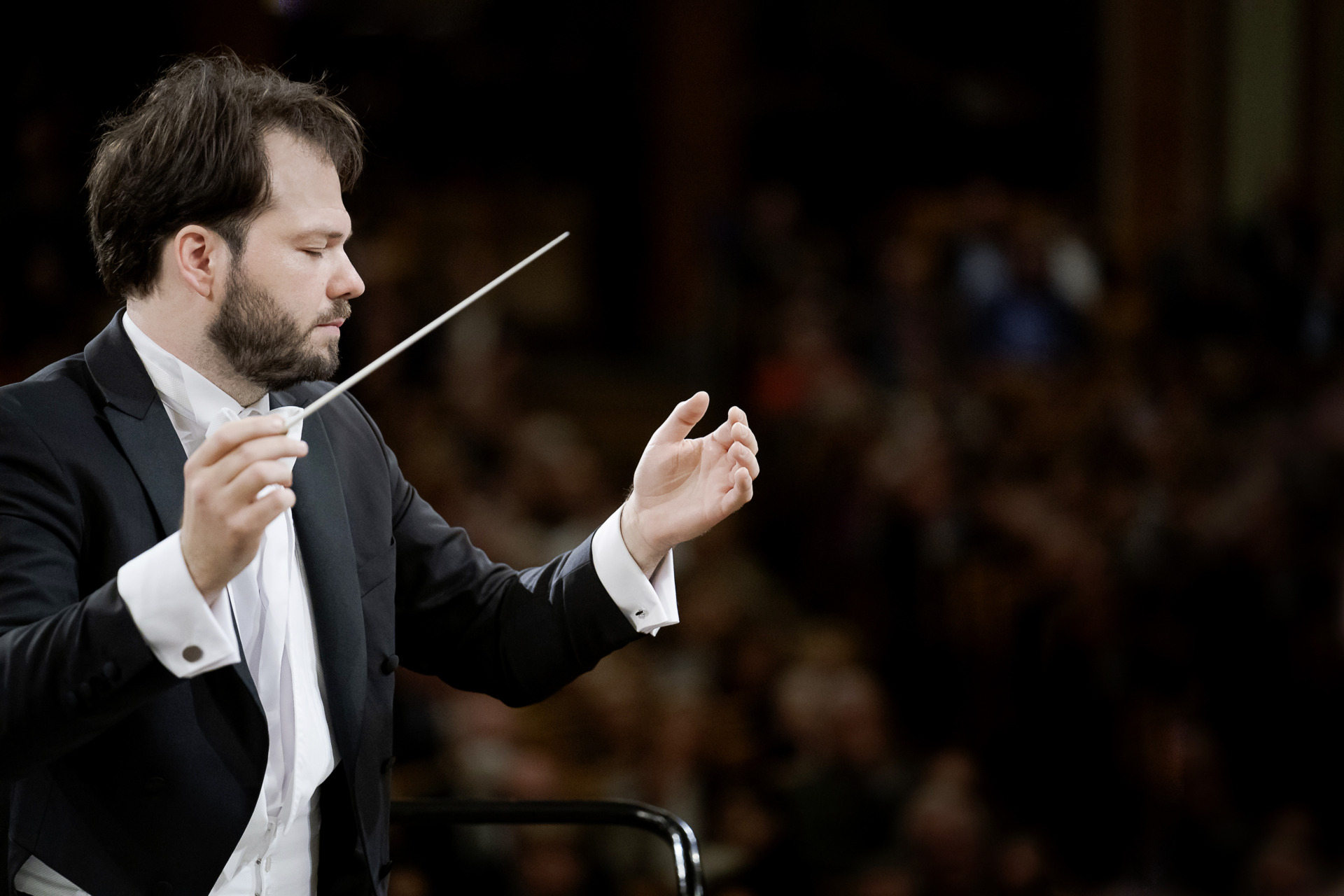
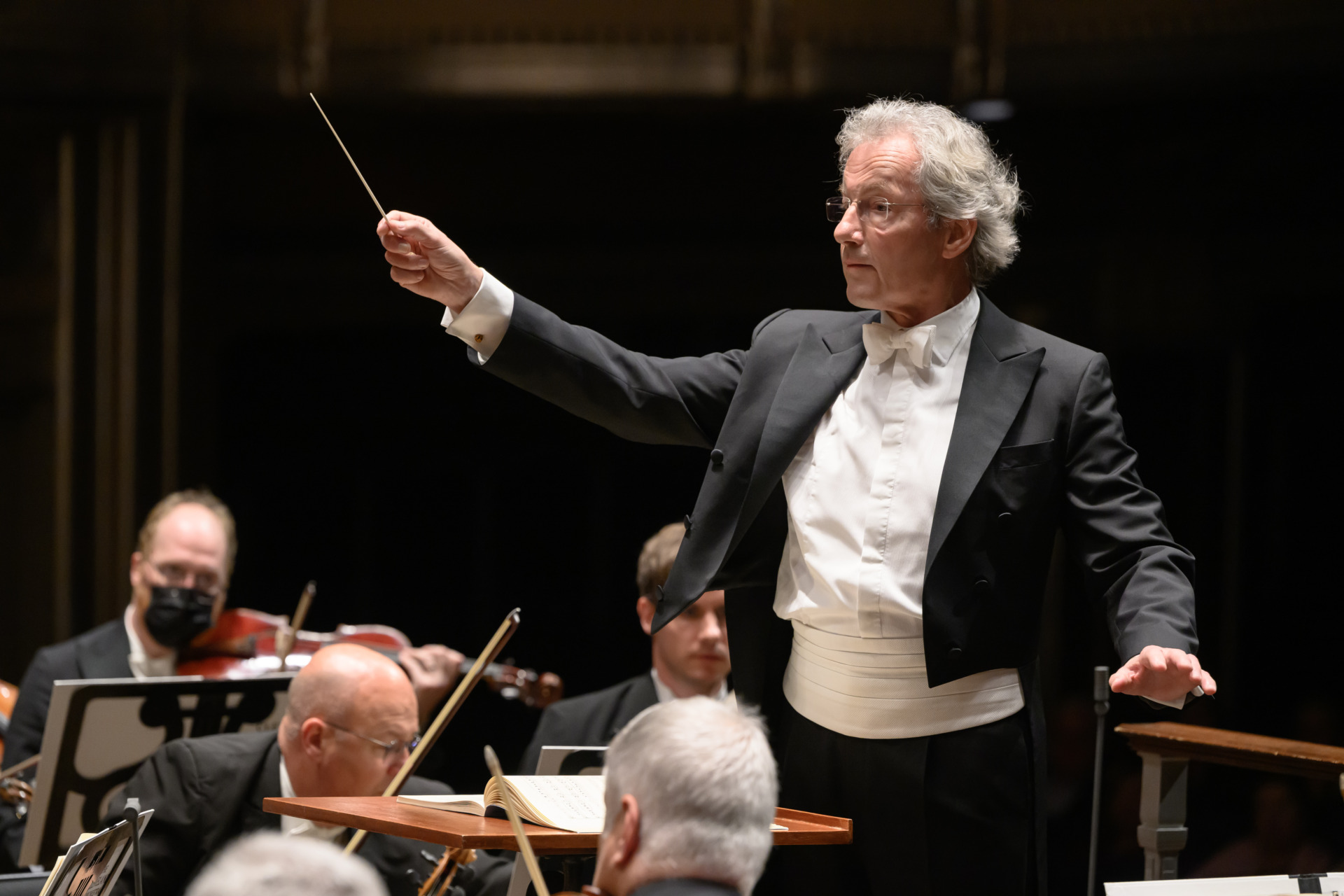
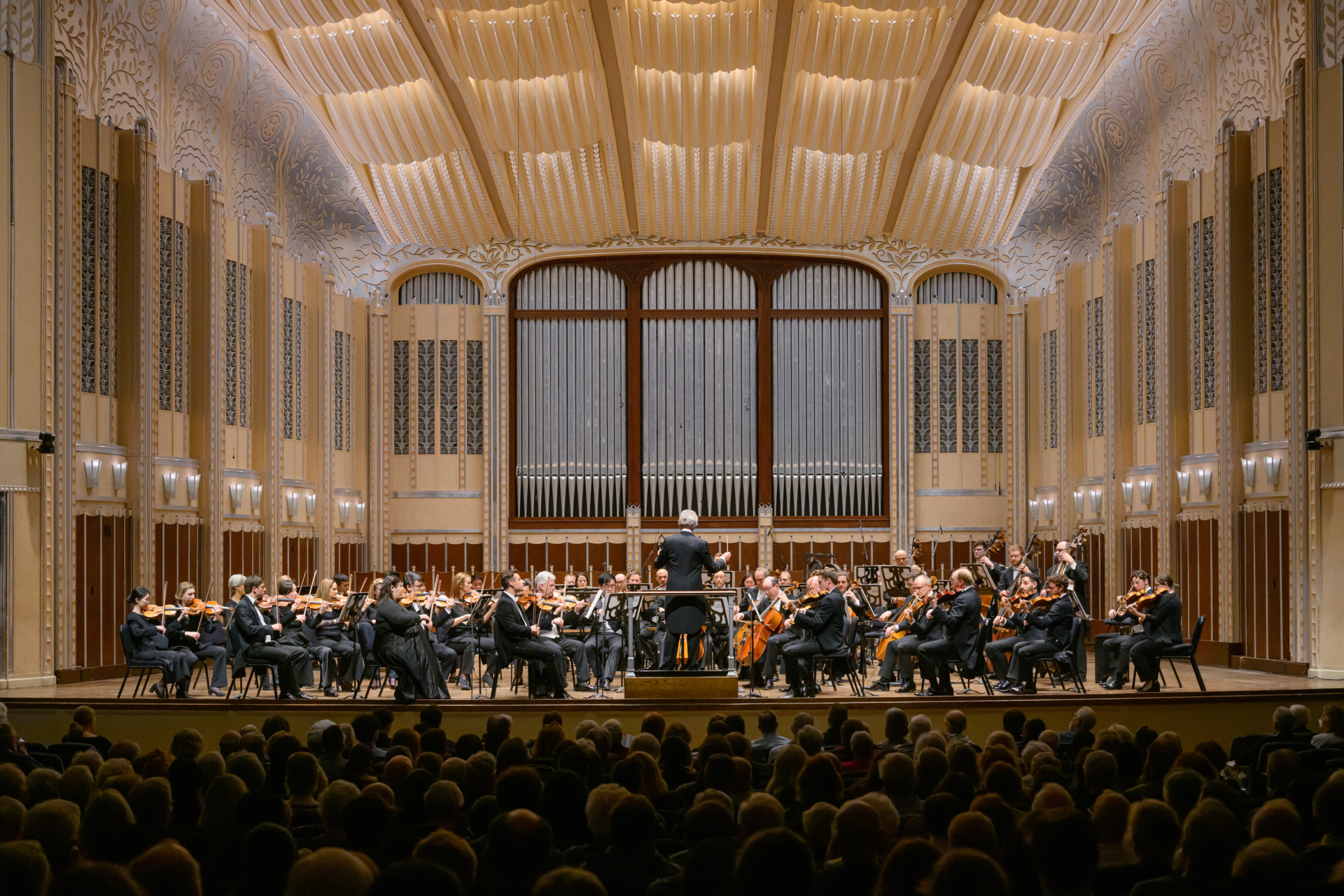
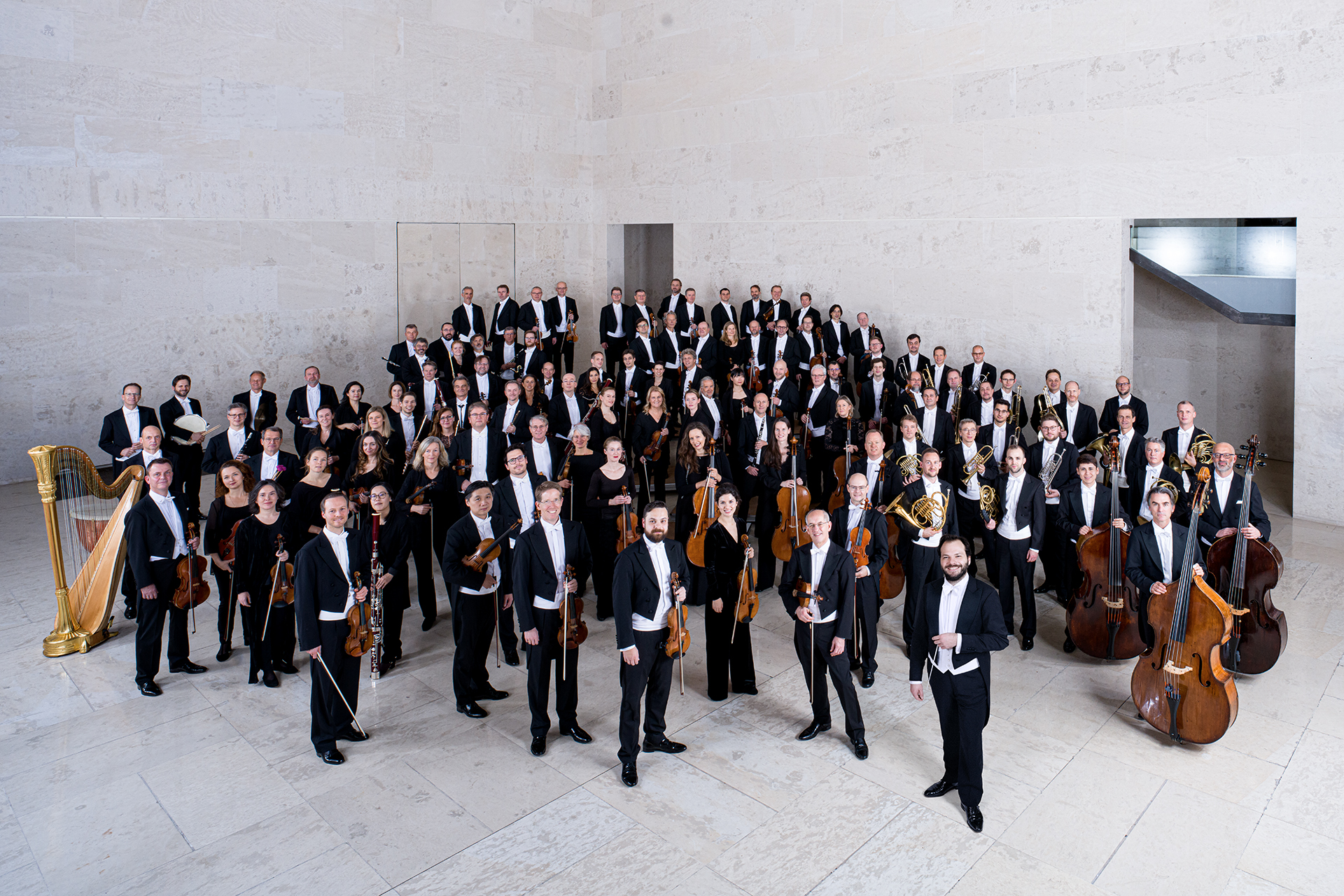
The “Great Orchestras – Great Conductors” series opens on 21 October 2026 with the Cleveland Orchestra, under the musical direction of Franz Welser-Möst. A few days later, Janine Jansen and Denis Kozhukhin open the “Great Performers” series with an evening of chamber music on 25 October 2026. The Vienna Symphony Orchestra (Wiener Symphoniker), under Petr Popelka and with soloist Mao Fujita, perform Mozart and Mahler on 30 November 2026.
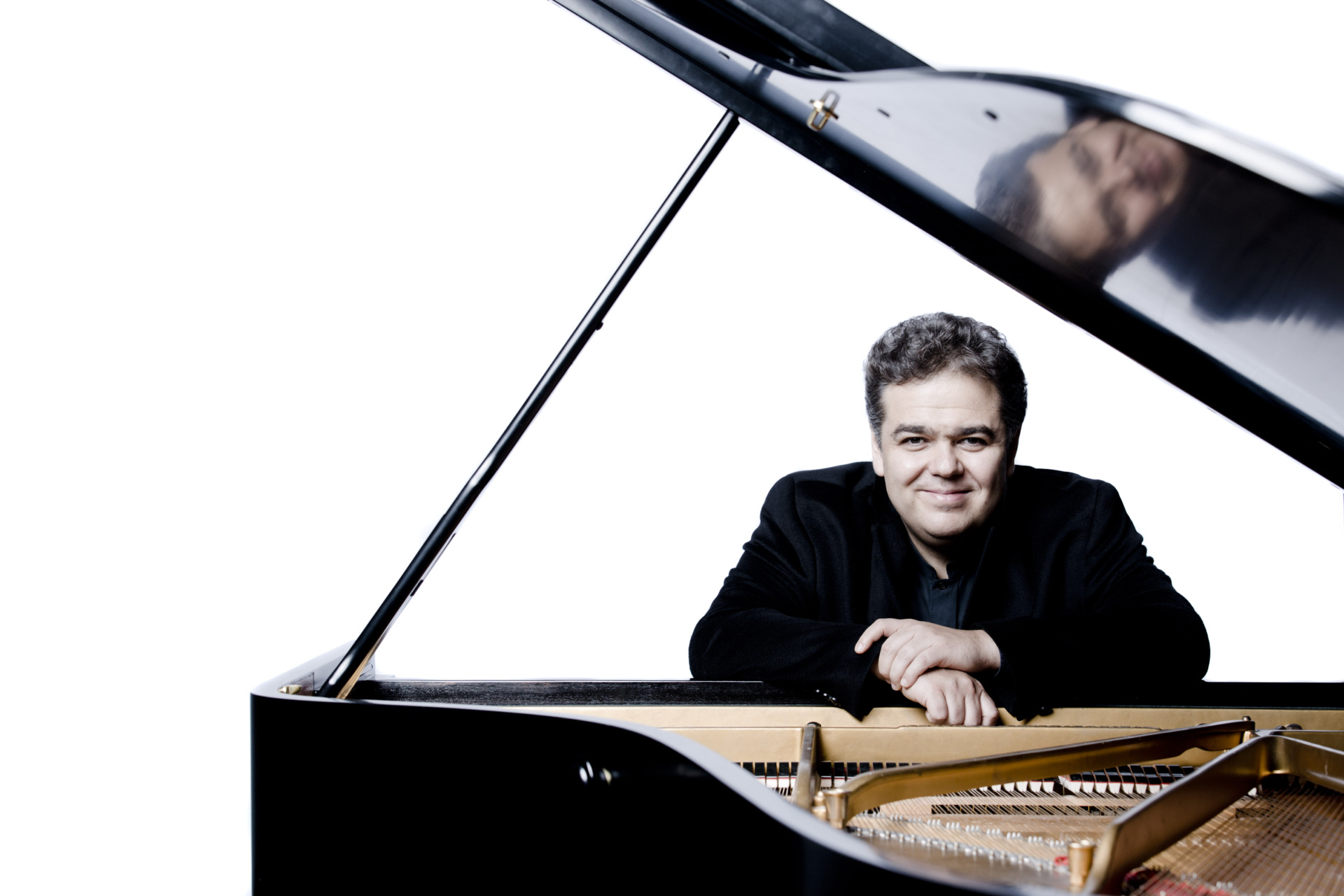
The legendary Martha Argerich comes to the Megaron’s stage in February with the Oxford Philharmonic Orchestra under the musical direction of Marios Papadopoulos. The piano baton passes on 6 March 2027 to Arcadi Volodos, who returns with another piano recital in the main hall, two years after his last appearance. These are followed, as part of the Spring Festival, on 7 and 8 April 2027, by the Utopia orchestra, Teodor Currentzis and Johann Sebastian Bach’s St Matthew Passion, reviving the work’s first performance in Leipzig 300 years ago. Finally, the renowned early-music ensemble Europa Galante comes to the Christos Lambrakis Hall with Fabio Biondi for a concert devoted entirely to Vivaldi on 15 May 2027.
ORCHESTRA POPOLARE LA NOTTE DELLA TARANTA
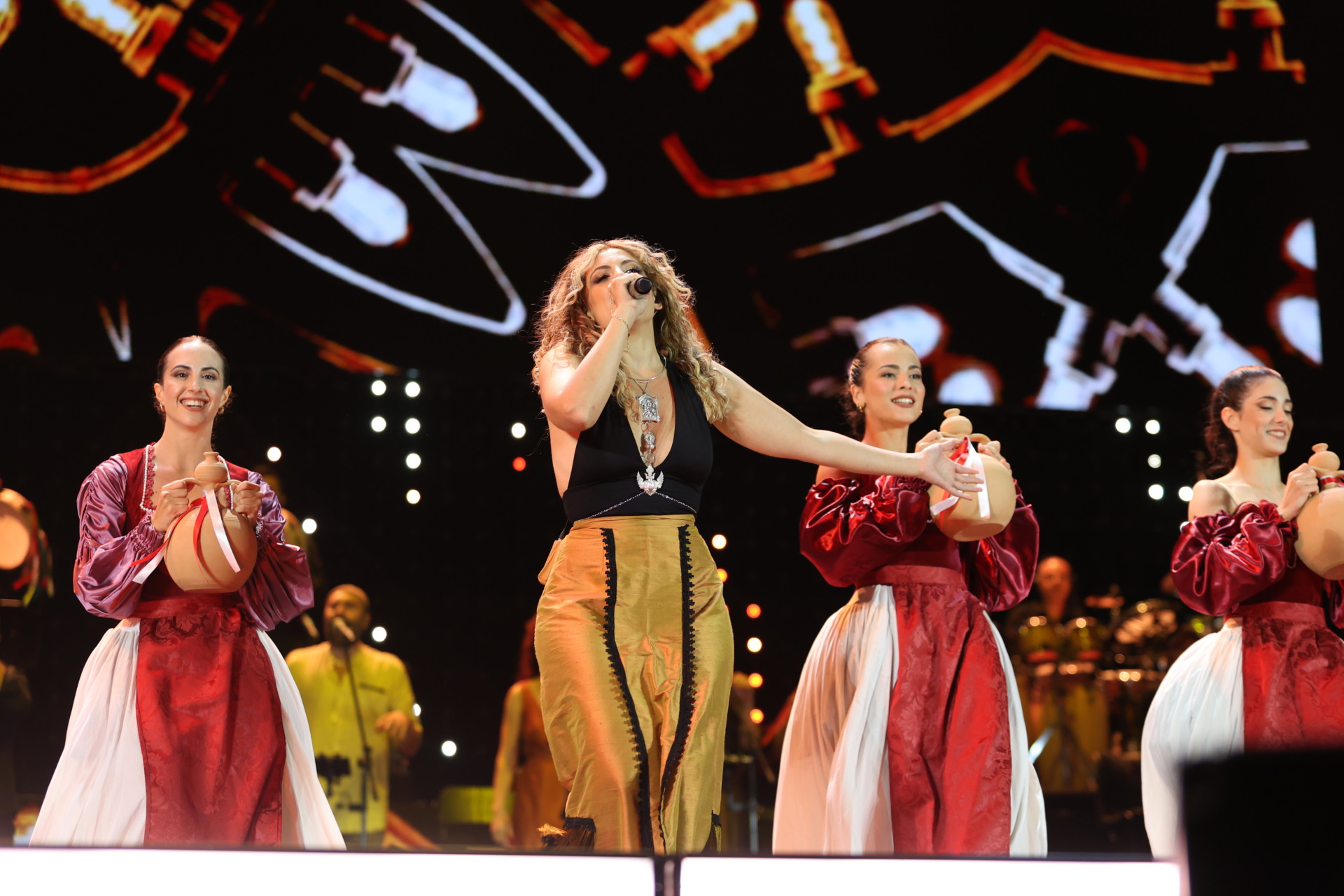
On 31 October 2026, the Megaron welcomes the Orchestra Popolare La Notte della Taranta, the official ensemble of the eponymous festival held every summer in Salento and ranked among Europe’s largest traditional music festivals. Musicians, singers and dancers perform traditional songs from Salento, including songs in Griko/Grecanico, in an evening that brings the pulse of the southern Italian tradition to Athens for the first time.
CAMERATA FRIENDS OF MUSIC ORCHESTRA
The Camerata Friends of Music Orchestra once again presents an ambitious artistic programme this year, with major productions and international collaborations that highlight its leading role in the field of historically informed performance – and beyond.
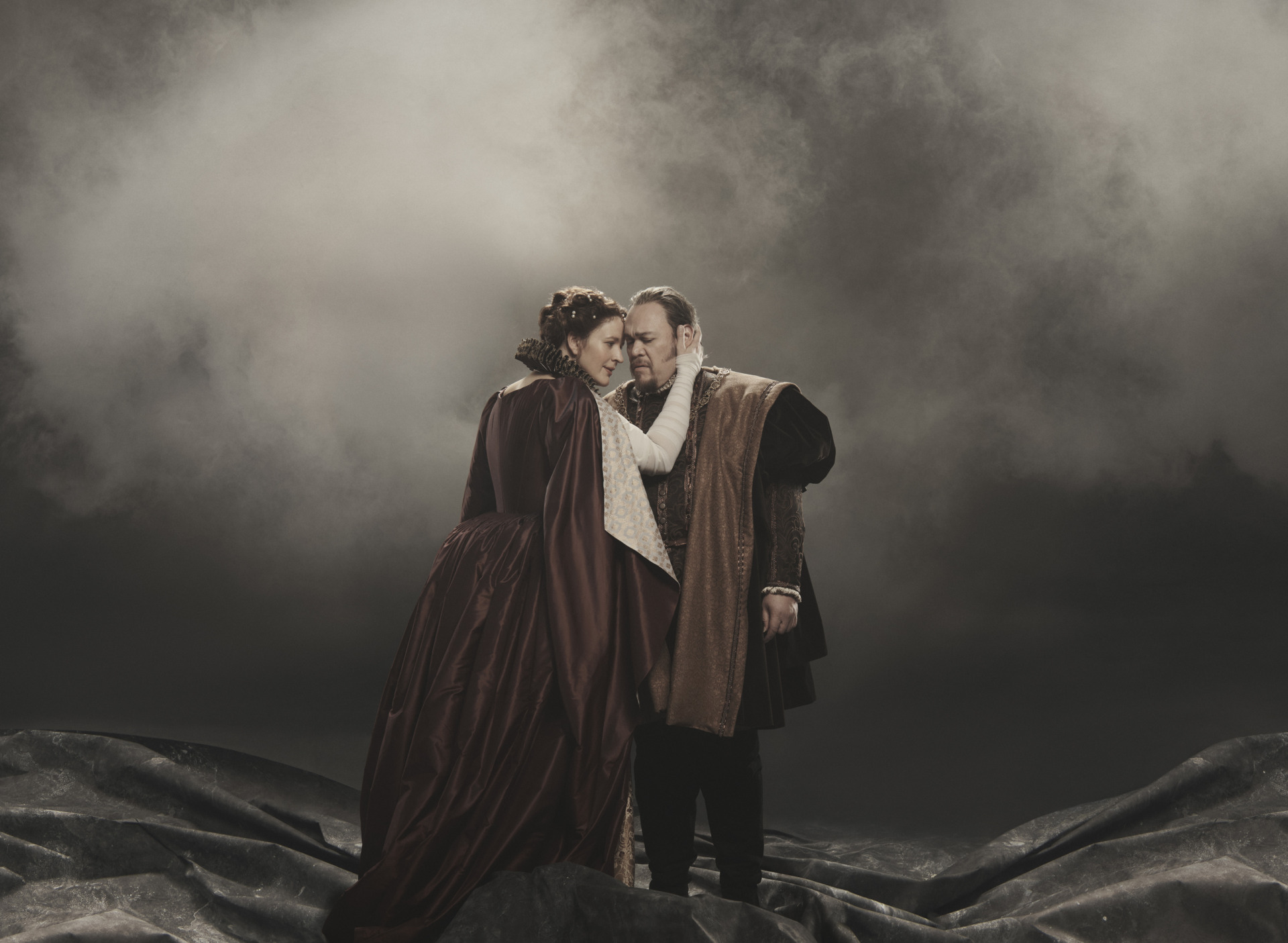
Three major productions stand out in this year’s Camerata programme: the return of last season’s great success, Leonard Bernstein’s opera Candide, presented on 10 and 11 December under the musical direction and staging of Giorgos Petrou; Handel’s opera Ariodante (February 2027) under the musical direction and staging of Giorgos Petrou, with period instruments and in co-production with the International Handel Festival Göttingen, a significant international collaboration that strengthens the Megaron’s presence on the European map of baroque opera; and finally, as part of the tribute marking 200 years since Beethoven’s death, the revival of the legendary academy concert given by the composer on 22 December 1808 at the Theater an der Wien, one of the most historic concerts of all time. The revival will be presented in February 2027 across two consecutive concerts, with an interval of one to one and a half hours in between, which audiences will be able to attend either separately or as a single experience. Under the musical direction of Giorgos Petrou and with period instruments, the programme includes Symphony No. 6 “Pastoral”, Symphony No. 5, Piano Concerto No. 4, excerpts from the Mass in C major, and the Choral Fantasy for piano, chorus and orchestra, recreating one of the most iconic musical evenings in the history of Western music.
DANCE AT THE MEGARON
Three of the world’s greatest contemporary dance companies come to the Megaron in the 2026–27 season.
Vollmond – Pina Bausch
6 to 9 November 2026
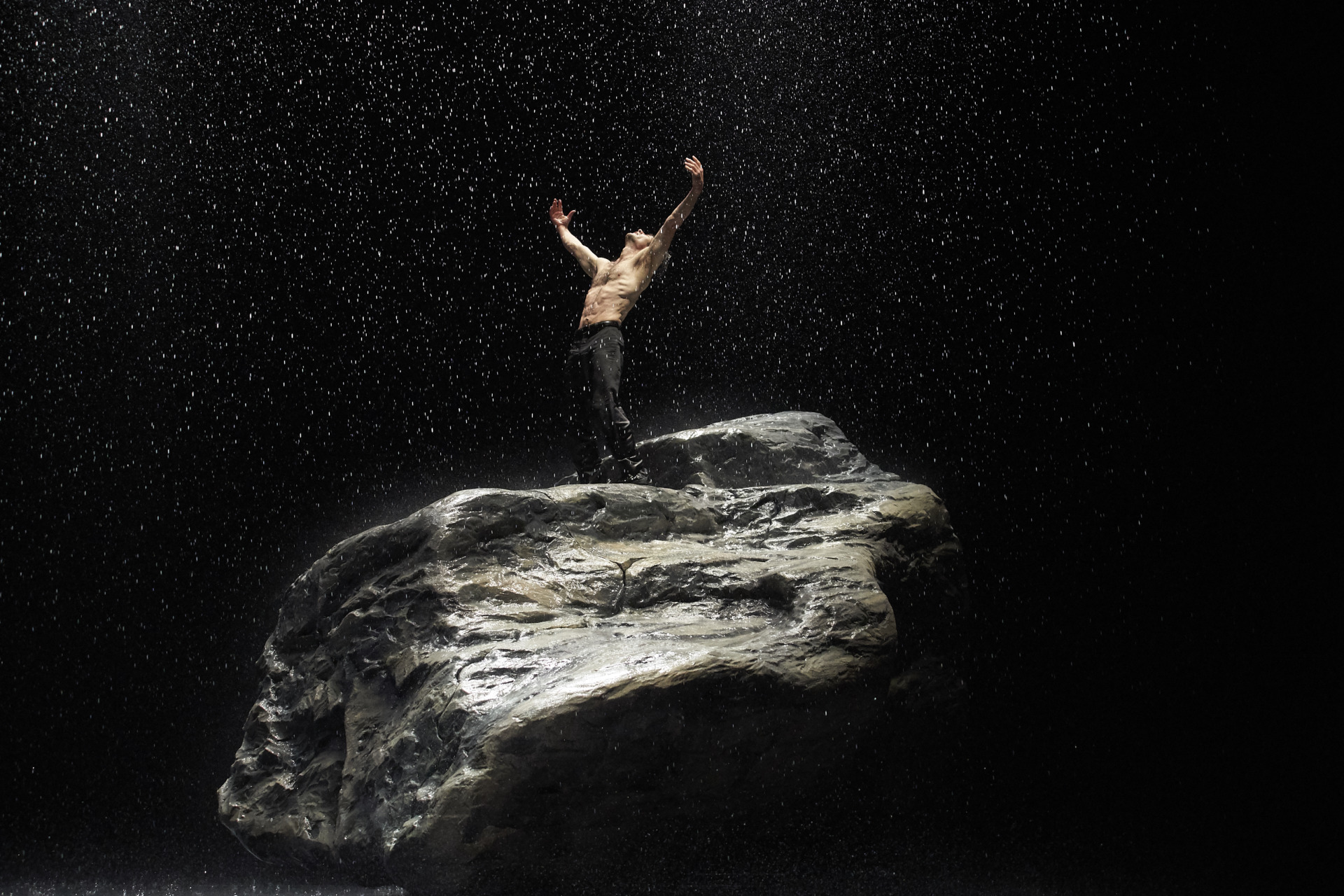
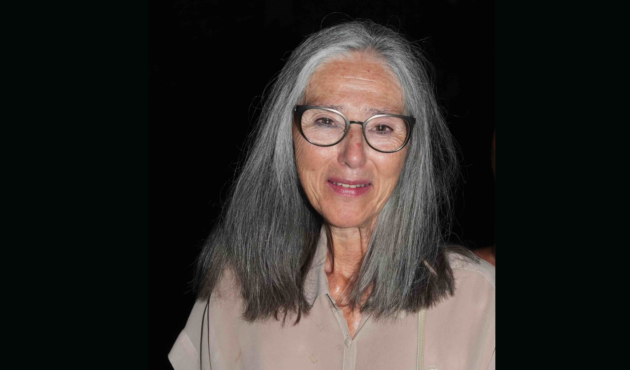
Tanztheater Wuppertal Pina Bausch presents Vollmond (Full Moon), directed and choreographed by Pina Bausch herself, with sets by Peter Pabst, costumes by Marion Cito, and musical curation by Matthias Burkert and Andreas Eisenschneider. The work, one of the most iconic in her creative output, is built around a huge rock and water that floods the stage, creating images of profound physical and emotional intensity. The musical score draws on a broad, eclectic repertoire — from Tom Waits and Cat Power to the Balanescu Quartet.