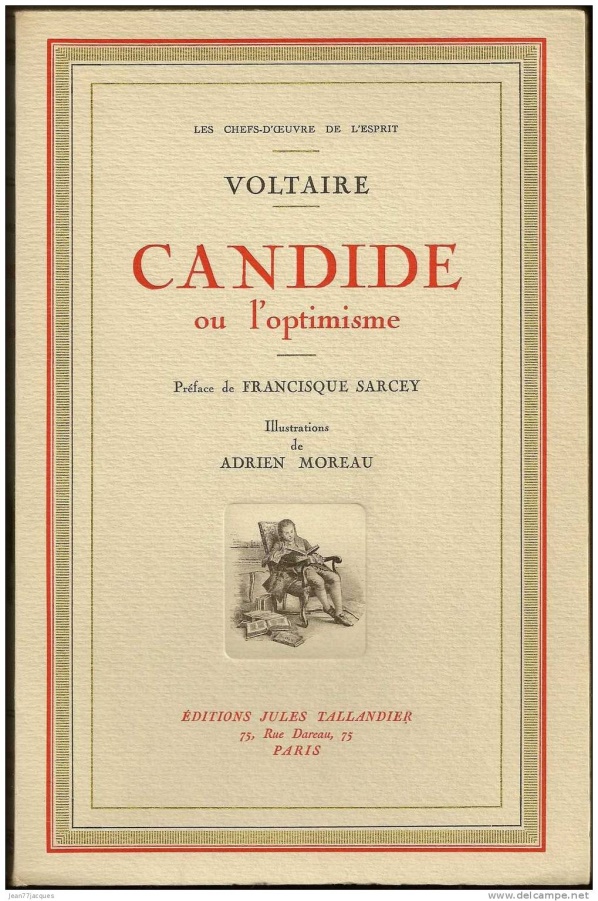
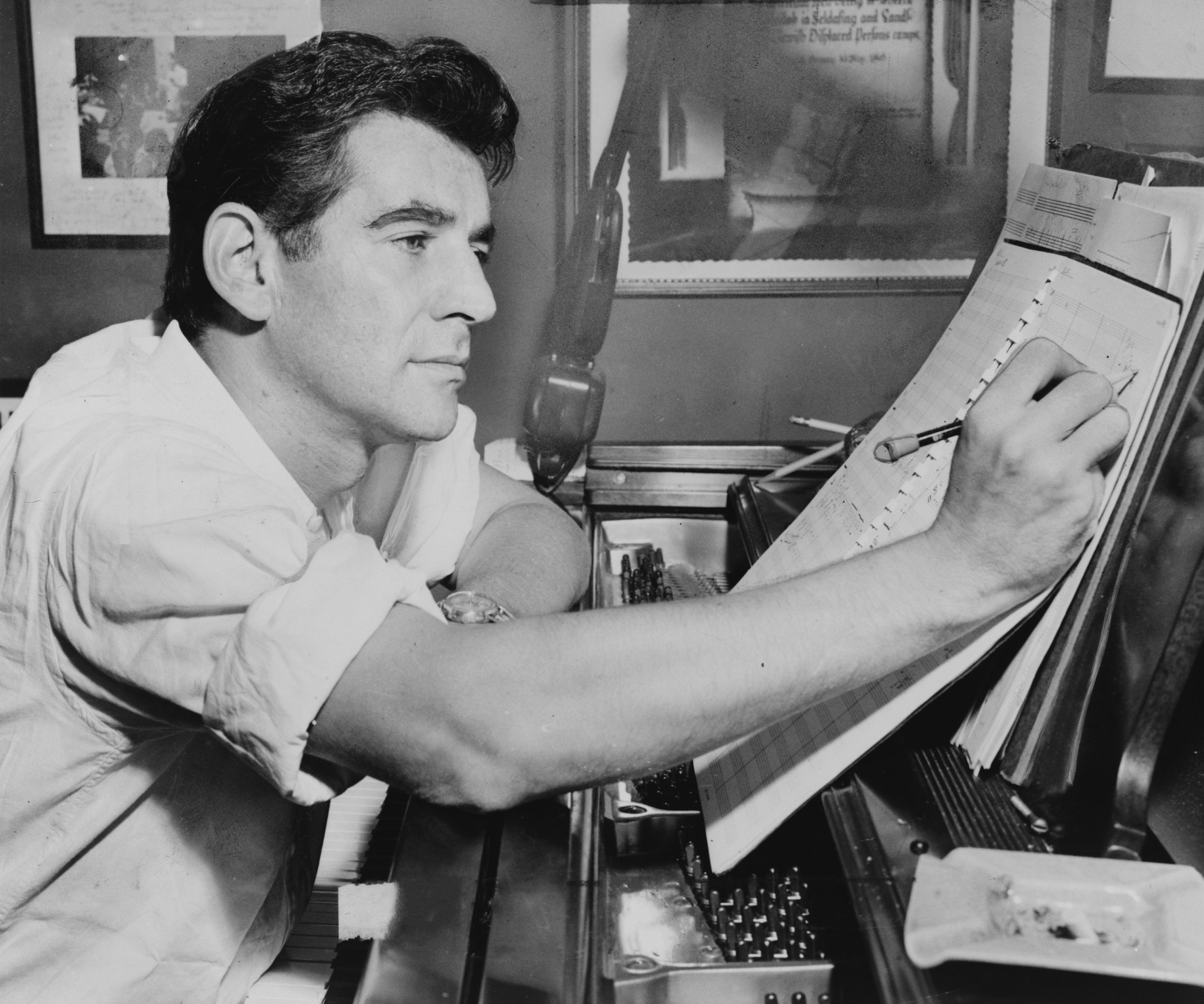
Bernstein composed his masterful operetta Candide in the 1950s as a sharp protest against McCarthyism, the political extremism of the era, and the growing manipulation of the masses. Working on the piece at the same time as West Side Story, the composer drew his inspiration this time from the other side of the Atlantic—Voltaire and his fantastical novella Candide, ou l’Optimisme (1759): a merciless satire of the German philosopher Gottfried Wilhelm von Leibniz and the latter’s belief that every inconceivable event on this earth is part of a divinely ordained perfect plan. Candide goes through fire and water—through farcical situations, disasters, shipwrecks, even the Inquisition—before revising his boundless optimism. The score itself also underwent its own odyssey before reaching its definitive form in 1989, shortly before Bernstein’s death, reflecting the composer’s final choices regarding the structure and content of the work.
Bernstein blends his personal idiom with influences from Broadway musical theatre, Richard Strauss, jazz, tango, and various 20th-century styles to create a delightful musical cocktail—from the famous overture to the heroine’s dazzling parody-aria Glitter and be Gay, and the final catharsis of the majestic Make Our Garden Grow. Above all, however, the great “Lenny” uses his art to boldly address issues that concern us all: war, religious violence, abuse of power, racism, corruption. Who could claim that the work does not remain (comic-)tragically relevant today?