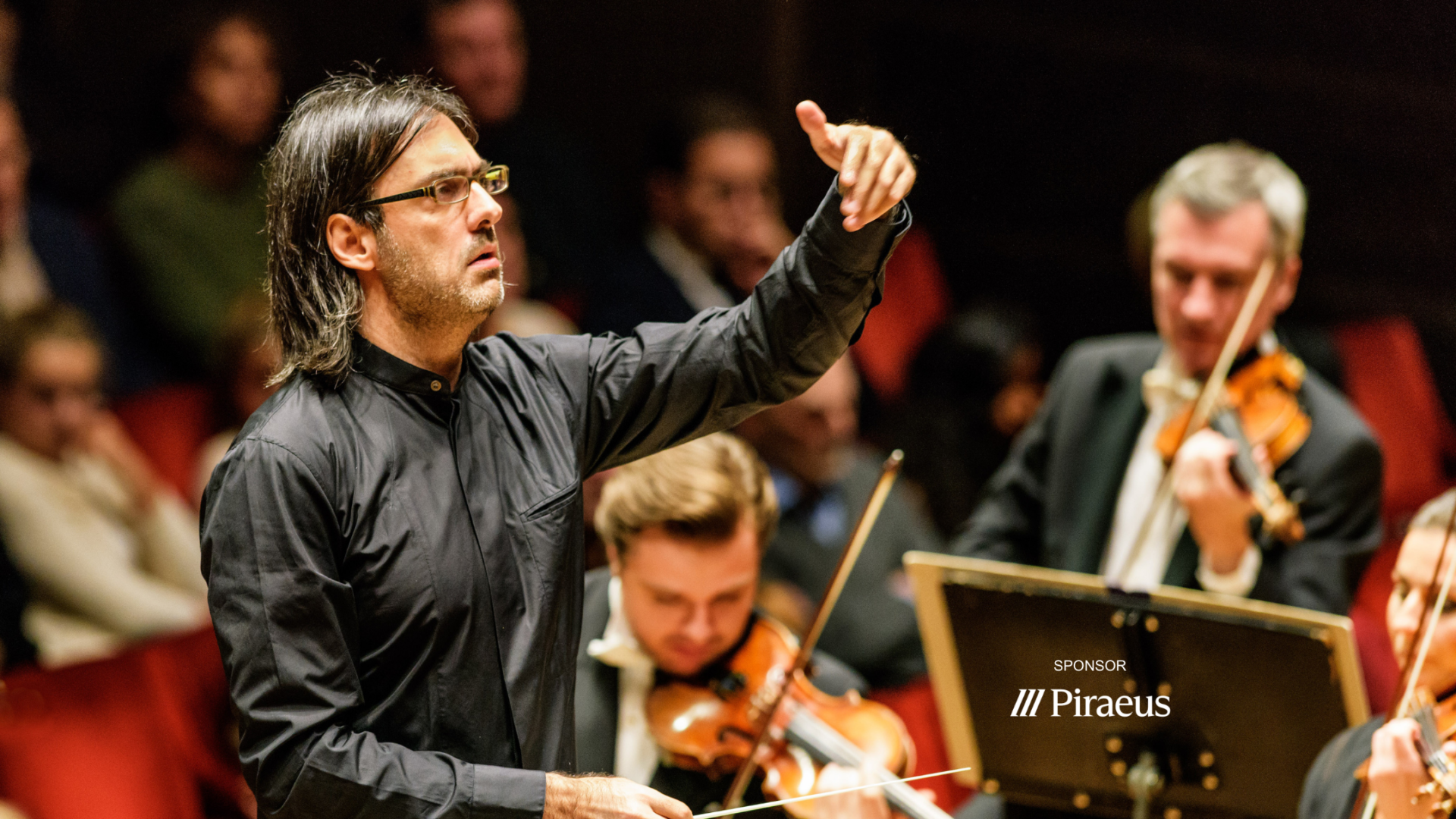
Mythical heroines, cello lyricism and symphonic drama. DVOŘÁK, SCHUMANN, BRAHMS. Three generations of composers, three distinct facets of Romanticism.
Schumann recognised in the young Brahms the heir to Beethoven. The mature Brahms, in turn, discerned in the young Dvořák the emergence of a major composer. Antonín Dvořák’s tragic opera Wanda recounts the legend of Princess Wanda, daughter of Krakus, founder of Kraków. After repelling the invaders, the heroic princess sacrifices herself in the waters of the Vistula in fulfilment of her vow to the gods. The opera’s vibrant and rhythmically charged Overture captures the heroine’s determination.
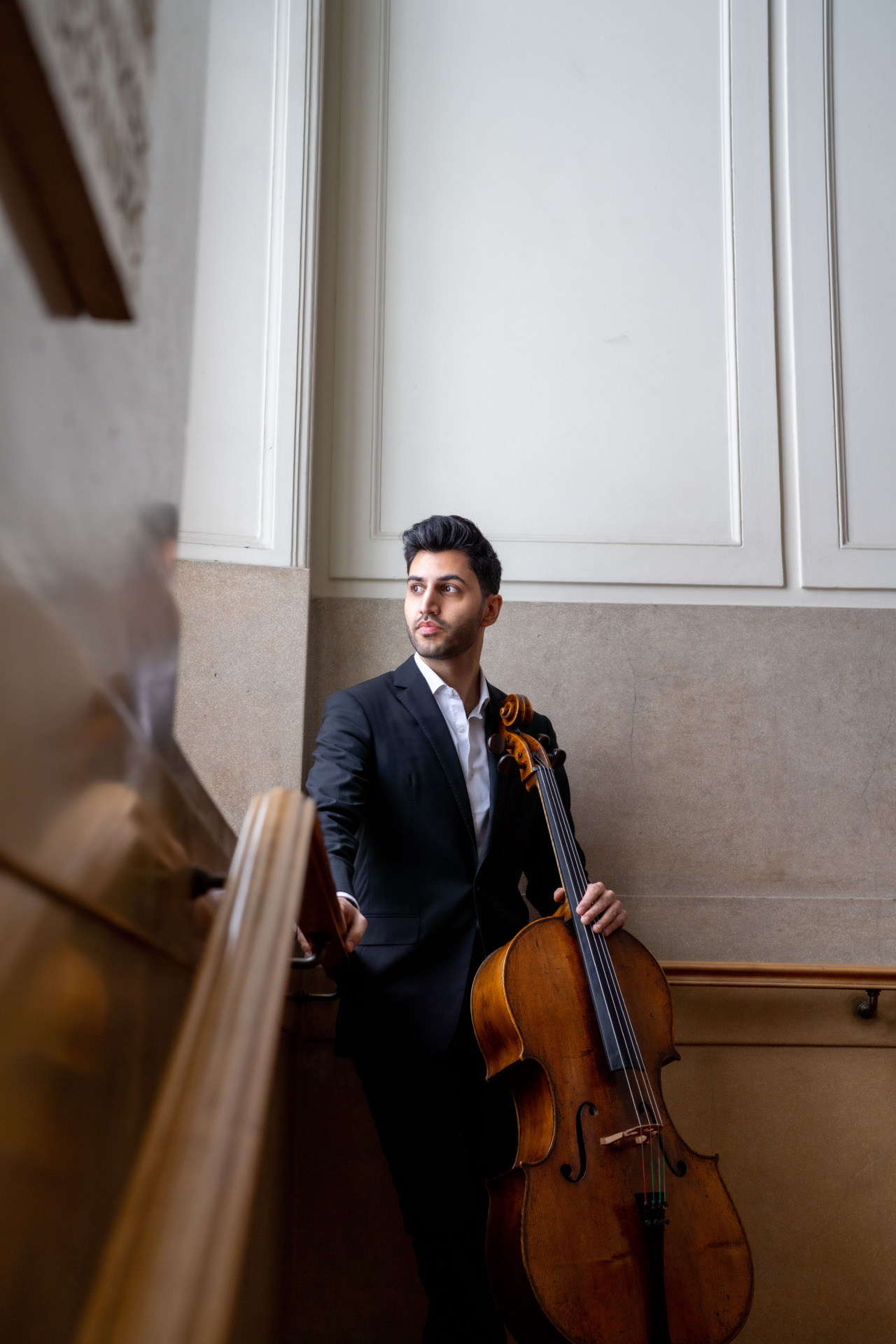
The year 1850 marked a milestone for the cello repertoire, when ROBERT SCHUMANN composed the first major concerto for the instrument after Haydn. In Schumann’s poetic musical language, the soloist does not indulge in empty virtuoso display, but engages in equal dialogue with the orchestra. Here, the warm tone and narrative depth of cellist Kian Soltani come beautifully to the fore.
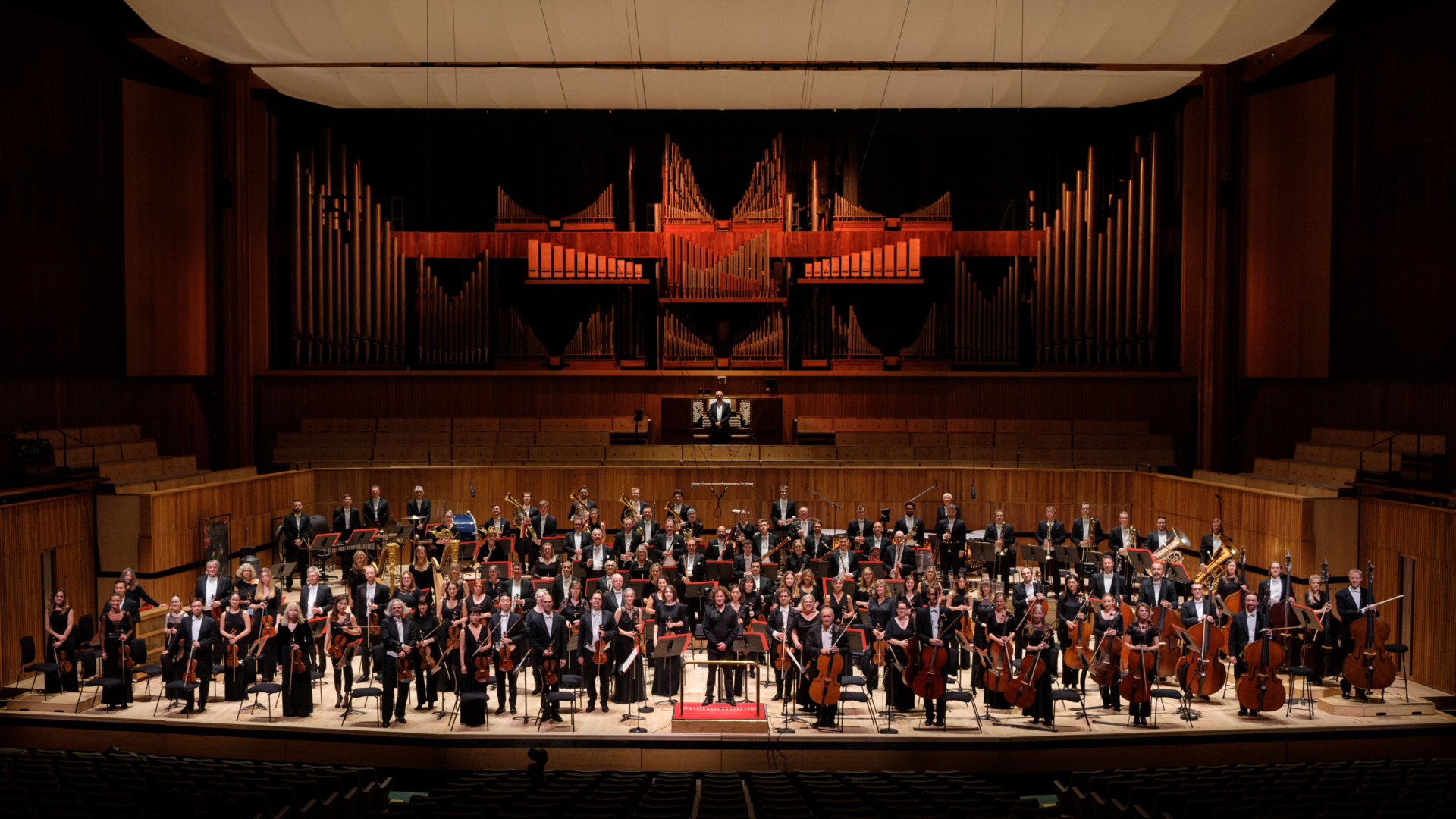
JOHANNES BRAHMS’s Symphony No. 1 (1876) has often been described as “Beethoven’s Tenth”. At a time when programme music dominated, Brahms boldly returned to “absolute” music and classical forms. Leonidas Kavakos, renowned as a conductor for his clarity and architectural insight, is ideally placed to reveal the work’s inner structure. With the Philharmonia Orchestra’s velvety sound, he will guide audiences through the rich emotional landscape of Romanticism.
On the occasion of the 100th anniversary of the Academy of Athens, Megaron the Athens Concert Hall will have the honour of hosting the members of the Academy as special guests at the concert on the same day.
SPONSOR